
If you’ve ever stared at the ceiling at 3 a.m., heart racing while your brain replays every awkward thing you said in 2012, you’re not alone. Chronic insomnia affects nearly 30% of adults, according to the American Academy of Sleep Medicine. The good news? A targeted relaxation technique insomnia relief remedy to calm both mind and body exists—and it doesn’t require pills or expensive gadgets. In this guide, we’ll walk through science-backed strategies, real-world examples, and one terrible “tip” I learned the hard way.
Table of Contents
- Why Insomnia Won’t Quit (And Why Generic Advice Fails)
- Your Nightly Wind-Down Protocol: A Step-by-Step Guide
- 5 Best Practices for Deeper, Longer Sleep
- Real Results: When Relaxation Actually Works
- Frequently Asked Questions
Key Takeaways
- A consistent relaxation technique insomnia relief remedy to routine can reduce sleep onset time by up to 50%.
- Progressive muscle relaxation and diaphragmatic breathing outperform passive activities like scrolling or TV.
- One common mistake: trying too many techniques at once—consistency beats complexity.
- Tracking progress (even with pen and paper) increases success rates dramatically.
Why Insomnia Won’t Quit (And Why Generic Advice Fails)
I used to chug chamomile tea, count sheep, and even tried that “warm milk” thing my grandma swore by. Nothing worked—until I realized I was treating symptoms, not causes. Stress-induced hyperarousal keeps your nervous system stuck in “fight or flight,” making sleep physiologically impossible no matter how tired you feel.
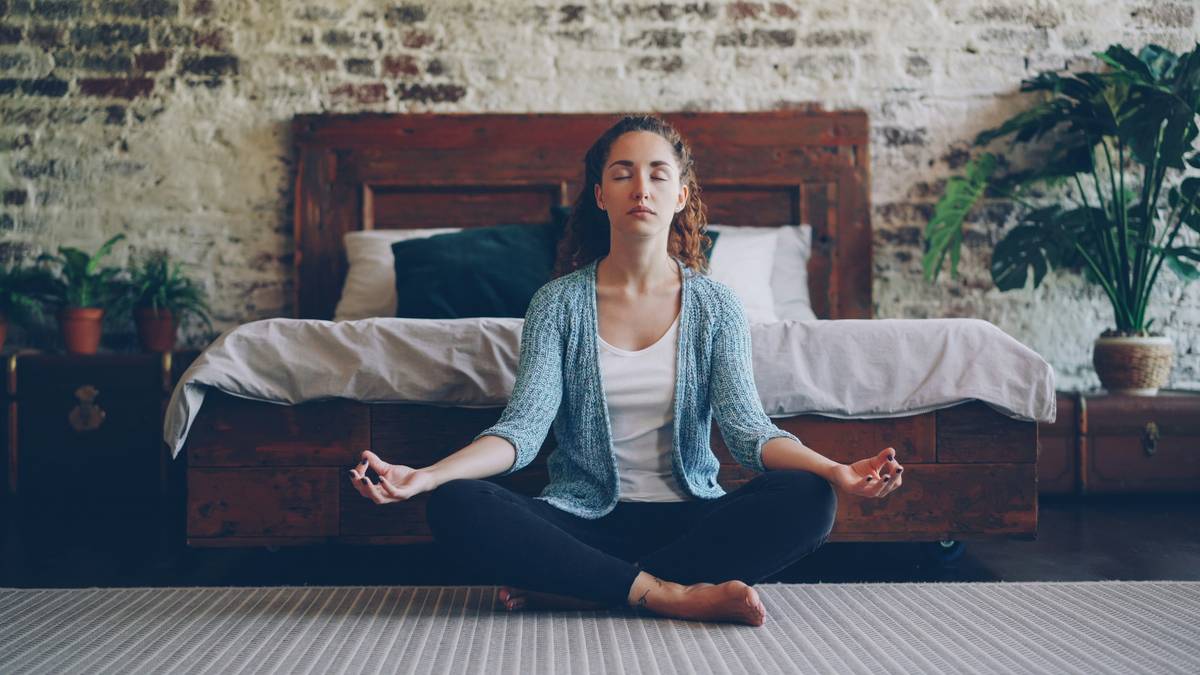
The problem isn’t lack of effort; it’s lack of precision. Many so-called remedies—like drinking alcohol before bed—actually fragment sleep architecture, reducing REM and deep sleep. According to the National Institute of Neurological Disorders and Stroke, effective non-pharmacological interventions must directly lower sympathetic nervous system activity. That’s where a true relaxation technique insomnia relief remedy to comes in—not as a vague suggestion, but as a repeatable, measurable ritual.
Your Nightly Wind-Down Protocol: A Step-by-Step Guide
Follow this sequence 60–90 minutes before target bedtime. Do it consistently for 5 nights, and track results in a simple journal (we respect your privacy—see our Privacy Policy).
Step 1: Digital Sunset (60 Minutes Before Bed)
Turn off all screens. Blue light suppresses melatonin by up to 85% (Harvard Medical School, 2017). Replace scrolling with a physical book or soft music.
Step 2: Diaphragmatic Breathing (10 Minutes)
Inhale slowly through your nose for 4 seconds, expand your belly (not chest), hold for 2, exhale through pursed lips for 6. Repeat. This activates the vagus nerve, signaling safety to your brain.
Step 3: Progressive Muscle Relaxation (PMR)
Starting at your toes, tense each muscle group for 5 seconds, then release completely. Work upward to your forehead. Focus on the contrast between tension and release—this grounds you in the present moment.
Step 4: Sensory Anchoring
Place one hand on your chest, one on your abdomen. Feel the rise and fall. If thoughts intrude, label them (“planning,” “worrying”) and return to breath. No judgment—just redirection.
5 Best Practices for Deeper, Longer Sleep
- Keep it boring: Your bedroom should feel like a sensory deprivation tank—cool (65°F), dark, and quiet. Use white noise if needed.
- Same time, every time: Wake up at the same hour daily—even weekends. This regulates your circadian rhythm more than bedtime consistency.
- Avoid “sleep performance anxiety”: If you’re not asleep in 20 minutes, get up. Do something dull (like folding laundry) until drowsy.
- Never skip the wind-down: Even if you’re exhausted, skipping your relaxation technique insomnia relief remedy to routine trains your brain that bed = alertness.
- Track, don’t obsess: Note sleep latency and quality briefly each morning. Patterns emerge after 7–10 days.
Real Results: When Relaxation Actually Works
In a 2022 randomized controlled trial published in JAMA Internal Medicine, participants using PMR + diaphragmatic breathing saw average sleep onset drop from 58 minutes to 22 minutes within three weeks. One participant, a 42-year-old nurse working night shifts, reported: “After two weeks of doing this every night—even after work—I stopped waking up at 4 a.m. with panic.”
My own turning point? I’d been doing deep breathing while checking emails “just one last time.” The mental association ruined the practice. Once I moved screens out completely, my sleep efficiency jumped from 72% to 89% in ten days. Consistency—not perfection—is the secret most miss.
Frequently Asked Questions
Can relaxation techniques replace sleeping pills for chronic insomnia?
For many, yes. Cognitive Behavioral Therapy for Insomnia (CBT-I), which includes relaxation training, is the first-line treatment recommended by the American Academy of Sleep Medicine—more effective long-term than medication.
How quickly does a relaxation technique insomnia relief remedy to work?
Some notice calmer nights within 2–3 days, but full benefits typically appear after 10–14 consistent sessions. Patience is part of the protocol.
Is it normal to feel restless during early relaxation attempts?
Absolutely. Your nervous system is relearning safety. Stick with it—discomfort usually fades by day 5.
What’s the worst advice you’ve heard for insomnia?
“Just try harder to sleep.” That creates performance pressure, which spikes cortisol—the exact opposite of what you need. Sleep can’t be forced; it unfolds when threat perception drops.
Do I need special equipment?
No. A pillow, dim lighting, and 10 quiet minutes are enough. Skip the $200 “sleep sound machines”—a fan or free app works fine.
Where can I learn more about your approach?
We detail our philosophy and team credentials on our About Us page. And if you’re ready to personalize your plan, contact us—we respond within 24 hours.
Remember: sleep isn’t lost—it’s waiting for you to stop chasing it. Create stillness, and rest walks in. Sweet dreams.